Find a Realtor you love. It’s all about trust, honesty and communication.

By Mitch Mitchell – MORTGAGE SENSE – JULY 7, 2021

Looking for the home of your dreams? You could go it alone — or you could take our advice and work with a reputable real estate agent. 

Hiring a real estate agent to help you buy your first — or next — home can put you at a significant advantage when competing with other buyers for what’s become a very limited housing inventory. Back in April, CNBC stated that homes were selling in just over two weeks on the market. That’s exceptionally fast! 

Buying a home is, potentially, the most expensive transaction of your life. If you choose the right one, a real estate agent can help assure you get more for your money than you could by doing it by yourself. An experienced agent should be a skilled negotiator (or at least better than you, as a novice). Along with their thorough knowledge of the industry, local sales activity, current housing inventory and what’s coming — but not yet — on the market, your home buying adventure is sure to get a boost just by working with them.

So, how do you start looking for a real estate agent, and how do you find one who is right for you? That’s the topic of today’s blog.

How to find a real estate agent

If you’re a first-time homebuyer — or even if you’re not — finding a compatible agent can be overwhelming! Even if you’re in a rural area, there are probably a handful of local real estate offices you can reach out to. More than that, many realtors have started their own business, perhaps without having a physical office — like everyone else, they’ve discovered they can work from home and carry less overhead! And even though they’re busy these days, realtors always have an eye out for their next client. In one way or another, they’re all vying for your business. 

Here are four important tips for finding a real estate agent you’ll be happy with!

1 – Take Your Time & Do Your Research

The most important thing you can remember is that you need to take your time and do your research. Just like dating or job interviews, if the fit doesn’t seem right, trust your gut and move on. 

Many prospective home buyers rely on friends for referrals of real estate agents they’ve previously worked with. That’s a great start, especially if you’re thinking of moving to the same neighborhood that they bought in. But, remember, every buyer’s journey is a little bit different: this relationship is all about you and your family. You have to evaluate how well you think you and your agent will work together. 

Even though many homebuyers do a lot of their house-hunting online these days, open houses are a great way to see real estate agents in action. And in the course of a weekend afternoon, you’ll undoubtedly meet half a dozen or more if you strategically map out the local open houses. Chat them up and try to get a feel for their experience and familiarity with the area you’re considering. 

Make sure you get a business card — yes, real estate agents still use business cards — and follow up your open house visit with a phone call to help you qualify him or her even further. If you get a voicemail, consider how long it takes for them to return your call. Do you feel comfortable talking to them? Does the conversation flow smoothly? Is it also informative and insightful? Any agent can be professional and experienced, but it’s all about how you communicate with each other. If you talk about homes with nice backyards and they’re going on and on about a high-rise condo complex, it might not be a match.

2 – Ask intelligent questions

Getting along with your chosen real estate agent is essential, but there’s more to consider before jumping into this relationship fully. An agent’s experience will be invaluable when it comes to two critical parts of any home-buying decision: your time and your money. You might think you’re pretty good at assessing the market value of homes in the area you’re hoping to live in, but trust us, these guys live and breathe this stuff. Their livelihoods are dependent on it – and if they are busy agents, they see many more homes in a week than you will in your entire house hunting journey. 

Still, you’ll want to poke the bear a bit to be sure you’re making the right decision. If you’re considering working with a particular real estate agent, ask them the following:

  • “Overall, how long have you been doing this, and – specifically – how long have you worked in this particular local real estate market?”
  • “What do you think about the neighborhoods I’m considering? Do you specialize in any specific communities that you think would be a better fit?” 
  • “How much experience do you have with homes in my price range? How many of these types of homes have you helped someone buy in the last year?”
  • “As a first-time homebuyer, I’m new to this. What advice can you give me so that I can make it easier for you to help me?”

Know that you’re not going to click with every realtor you meet. Some may be too busy to give you much time. Out. Some may be cocky. Out. Some may be condescending or disinterested. Out. 

You’re looking for someone with whom you can establish a good, strong relationship. This person will be the one you’ll need to rely on during what may end up to be a stressful few months – so take your time and be 100% confident that you’re making the right decision. 

3 – Don’t cheat

Remember, this is a relationship. Your chosen real estate agent is going to put time and effort into working with you. If, along the way, you decide the working relationship is not progressing as you think it should, give them a call and let them know. They may be able to rectify the situation quickly. Just don’t ghost and start working with a new agent. Real estate agents are very competitive, but it’s a tight-knit community, and they all know each other. Cheating on one and hooking up with another on the sly is not good form. In the long run, it may not get you the service you need for such a big step in your life.

4 – Get pre-approved ahead of time

Sure, agents like pre-qualified home buyers, but they LOVE buyers who go one step further and get pre-approved. 

What’s the difference between pre-qualified and pre-approved? A home loan pre-approval puts you in a different category of shopper: it makes you a more desirable, qualified lead and sends a clear signal that you’re ready, willing, and able to take action if they can find you the right home. 

Better yet, once you do find a home you want, you’re much closer to closing than you’d be if you had to start the mortgage process from scratch once your offer was accepted. That means there’s less chance of the whole deal falling through, wasting the realtor’s precious time. In the long run, they have their eye on a commission, and they want to work with someone who will see it through. To be prepared, here are some of the things you’ll need to gather before starting that pre-approval application.

Ready to get started?

Keep in mind, good communication is invaluable, and when working with the right realtor, you’ll find a rhythm and a yin to your yang. Where you might have an emotional approach to buying a home (falling in love with something that’s not a great fit), a great real estate agent can be the perfect counterbalance. They’ll remind you of your wishlist, keep you within your budget and timeframe, all while still understanding and respecting your wishes. 

And even though homes are selling faster than ever, it might take a long while to find one that’s right for you (and that isn’t swallowed up in a bidding war). You may be spending a lot more time with this person than you thought possible, so make sure there’s a real connection before agreeing to work together.

If you’re in the market, keep these tips in mind as you search for that referral-worthy realtor. And seriously consider getting pre-approved for a mortgage. Just give one of our loan officers a call, and they’ll help answer any questions about the process. Or, if you’re ready to get started now, you can always apply online!
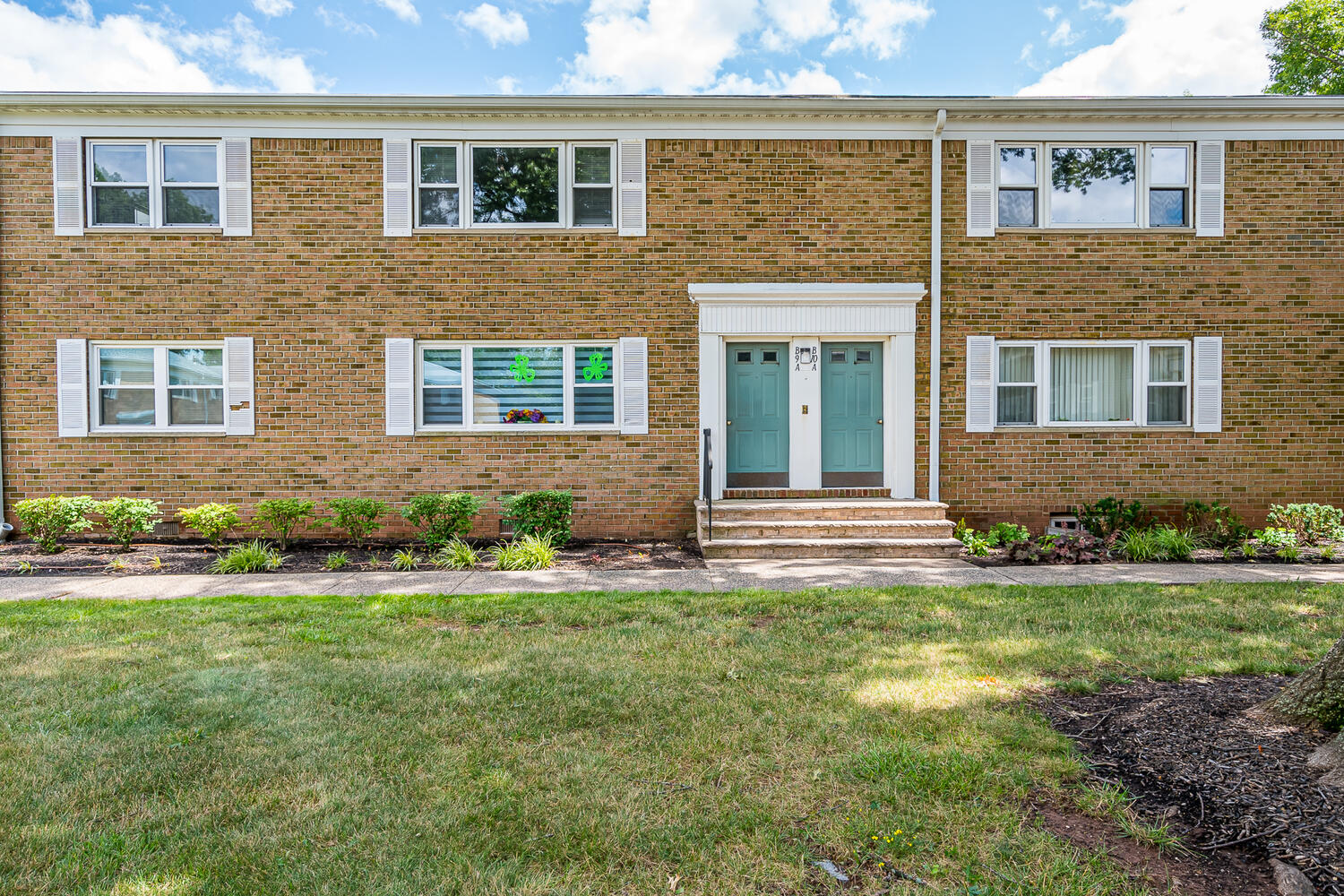
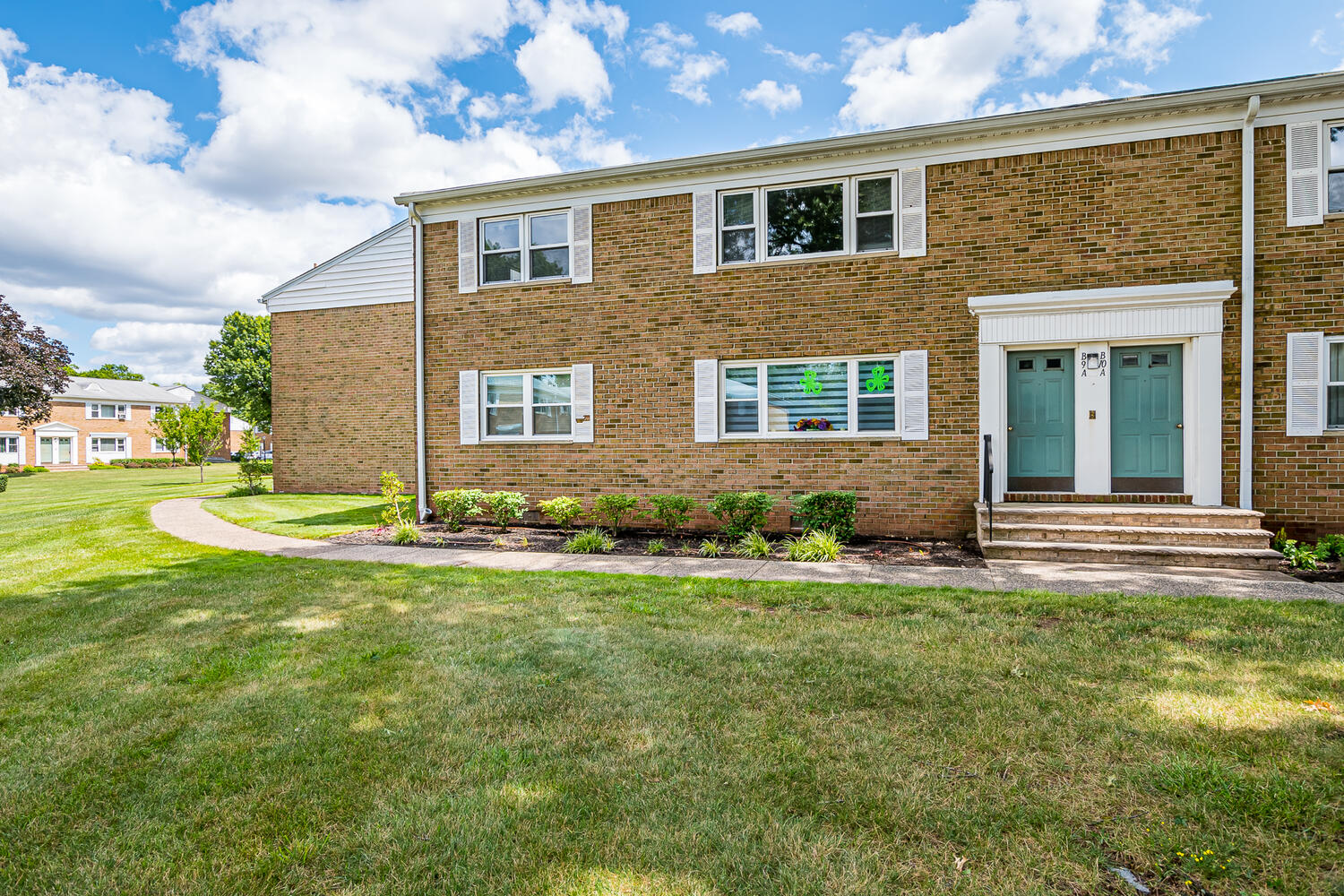
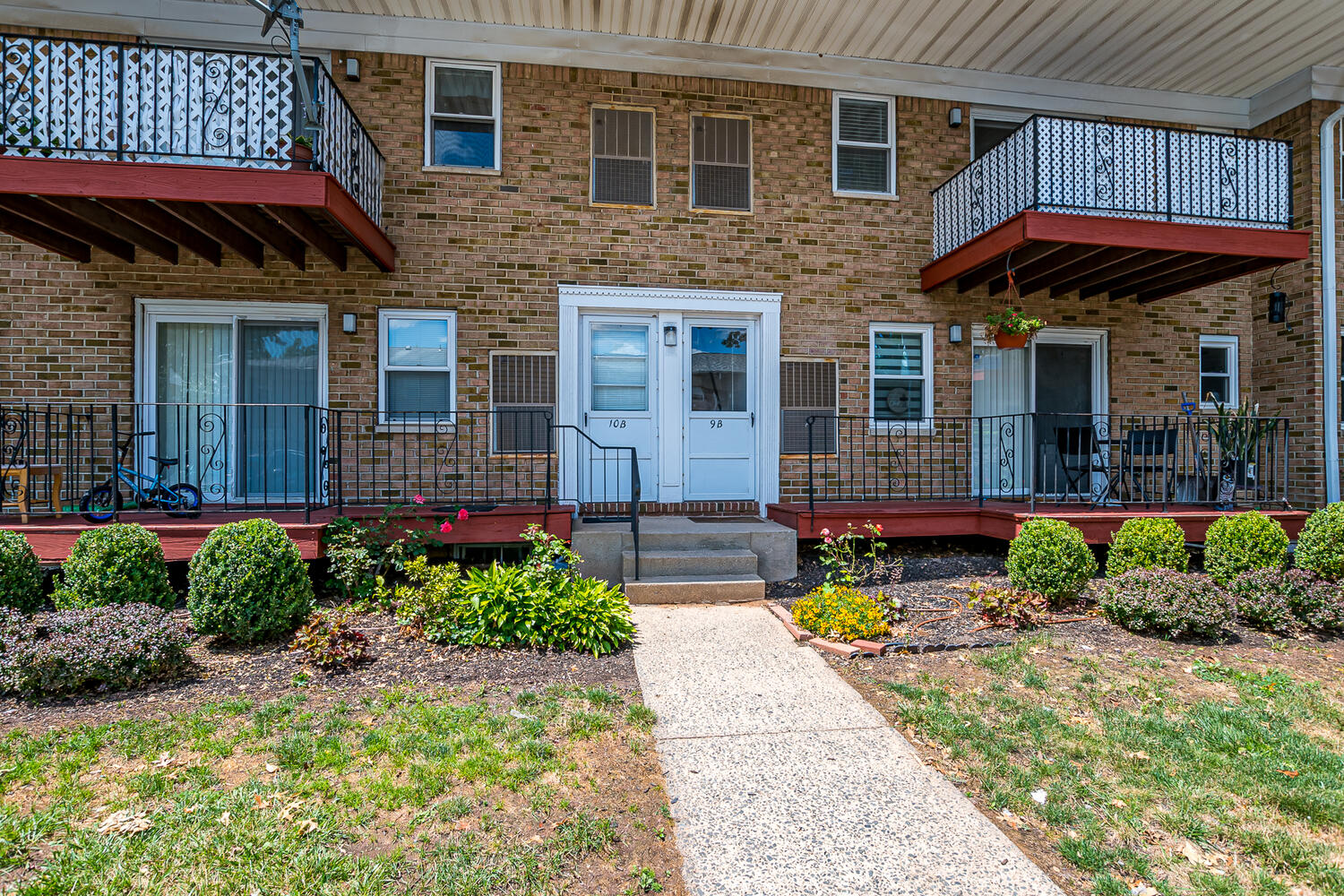
Just listed – 2 Beds Margate Property!

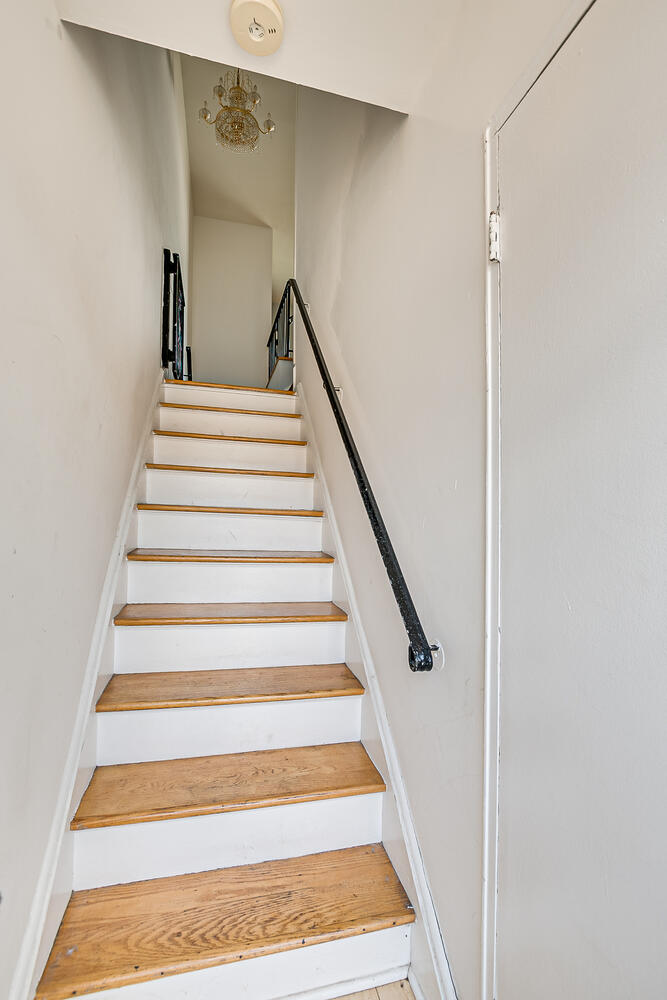
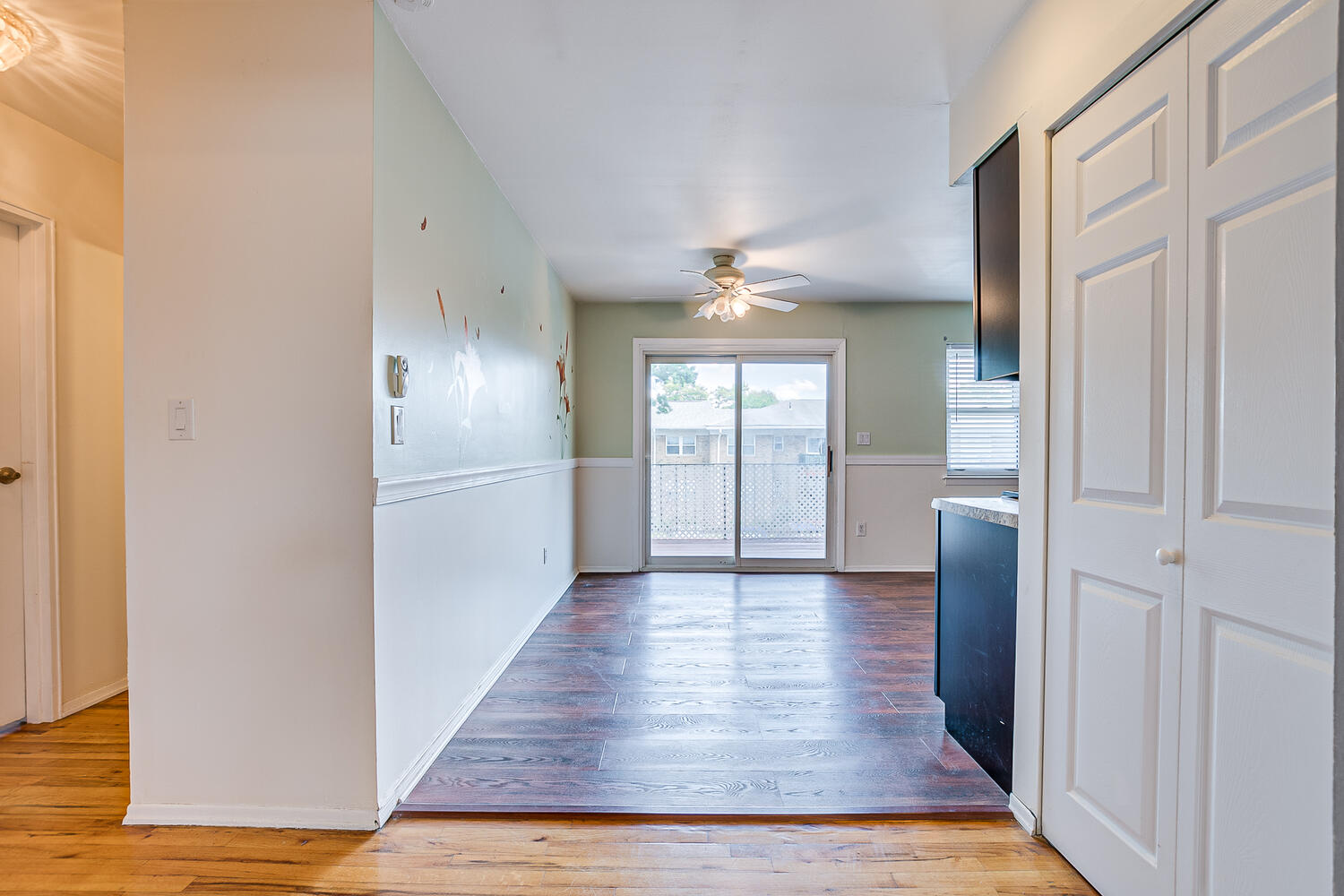
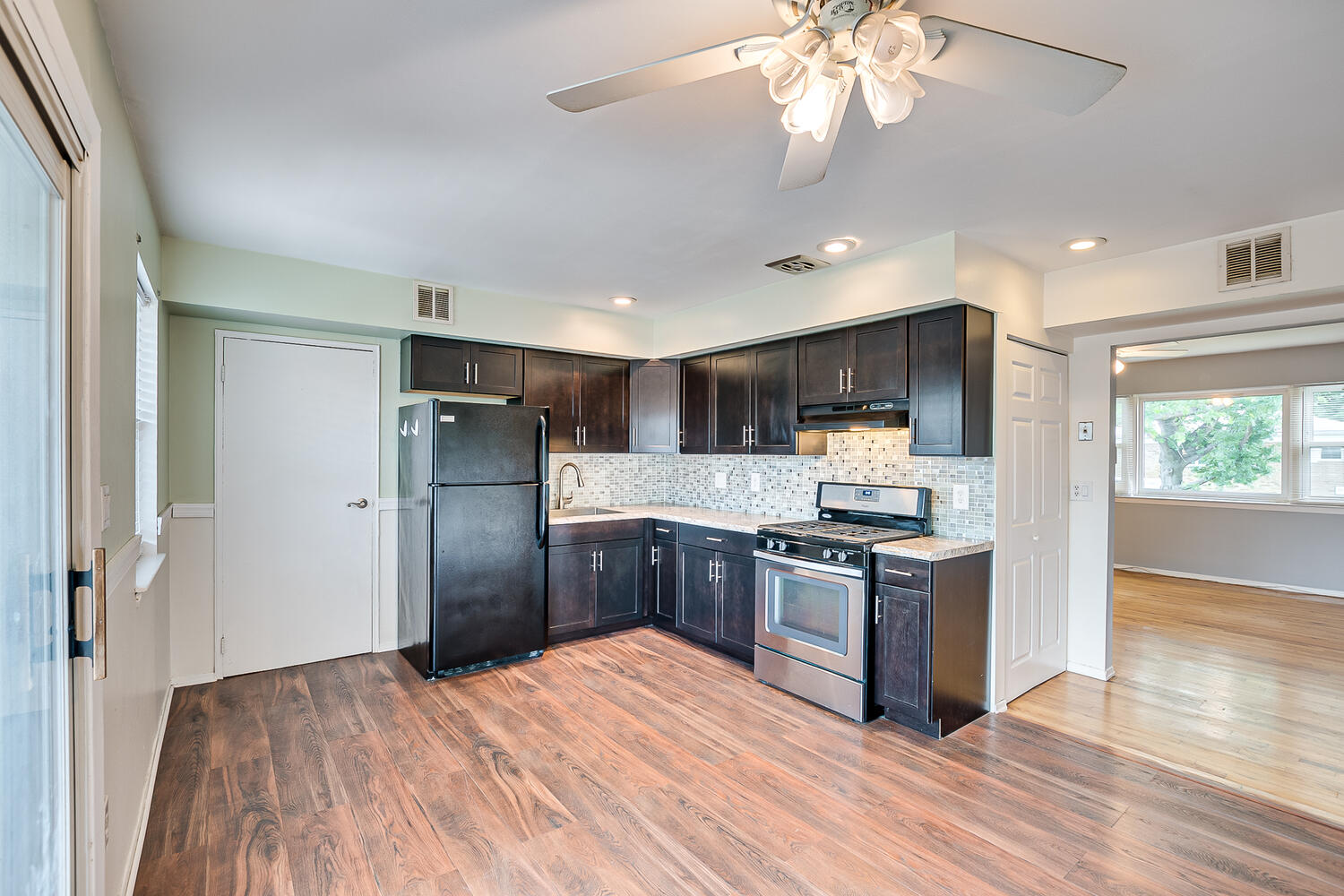
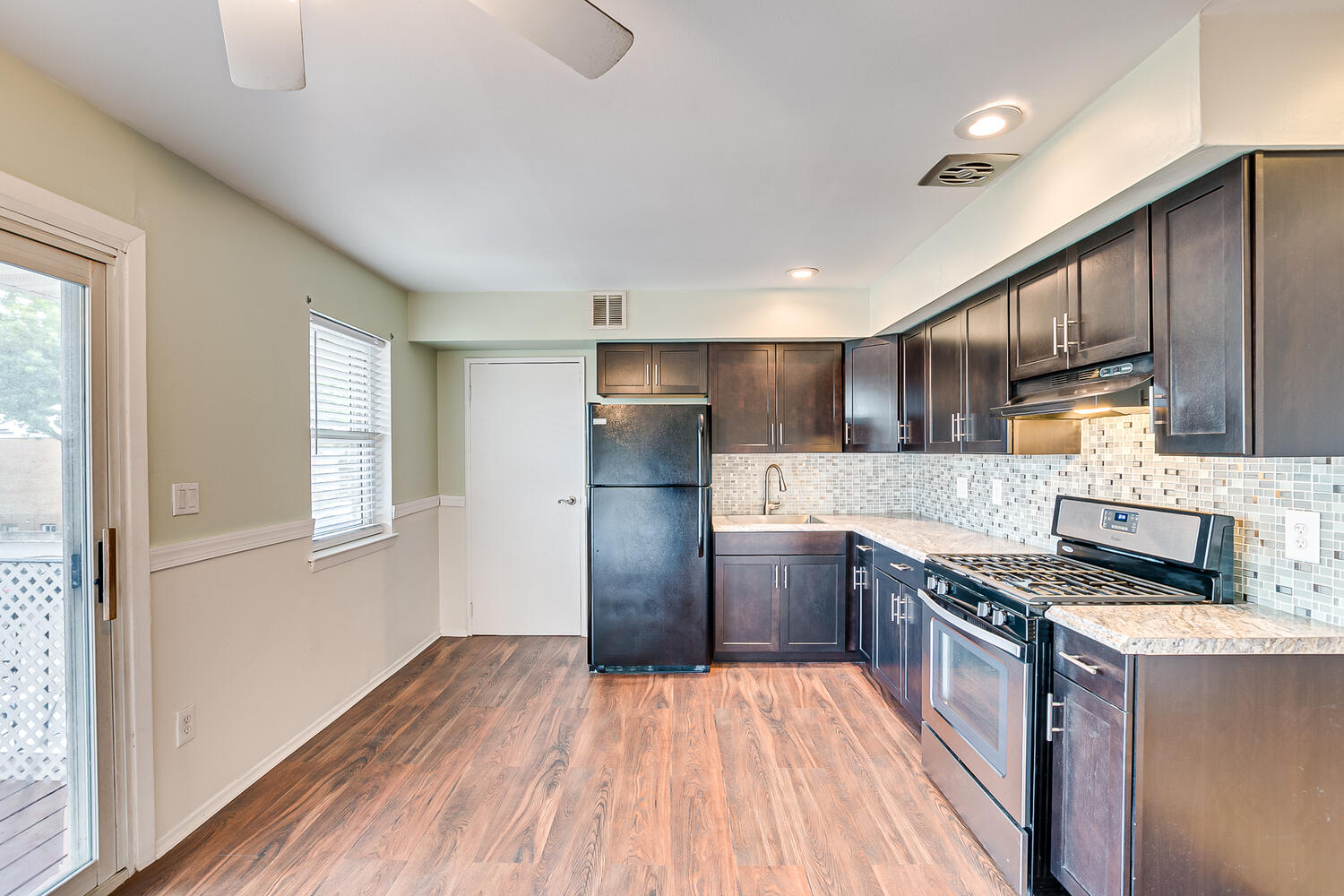
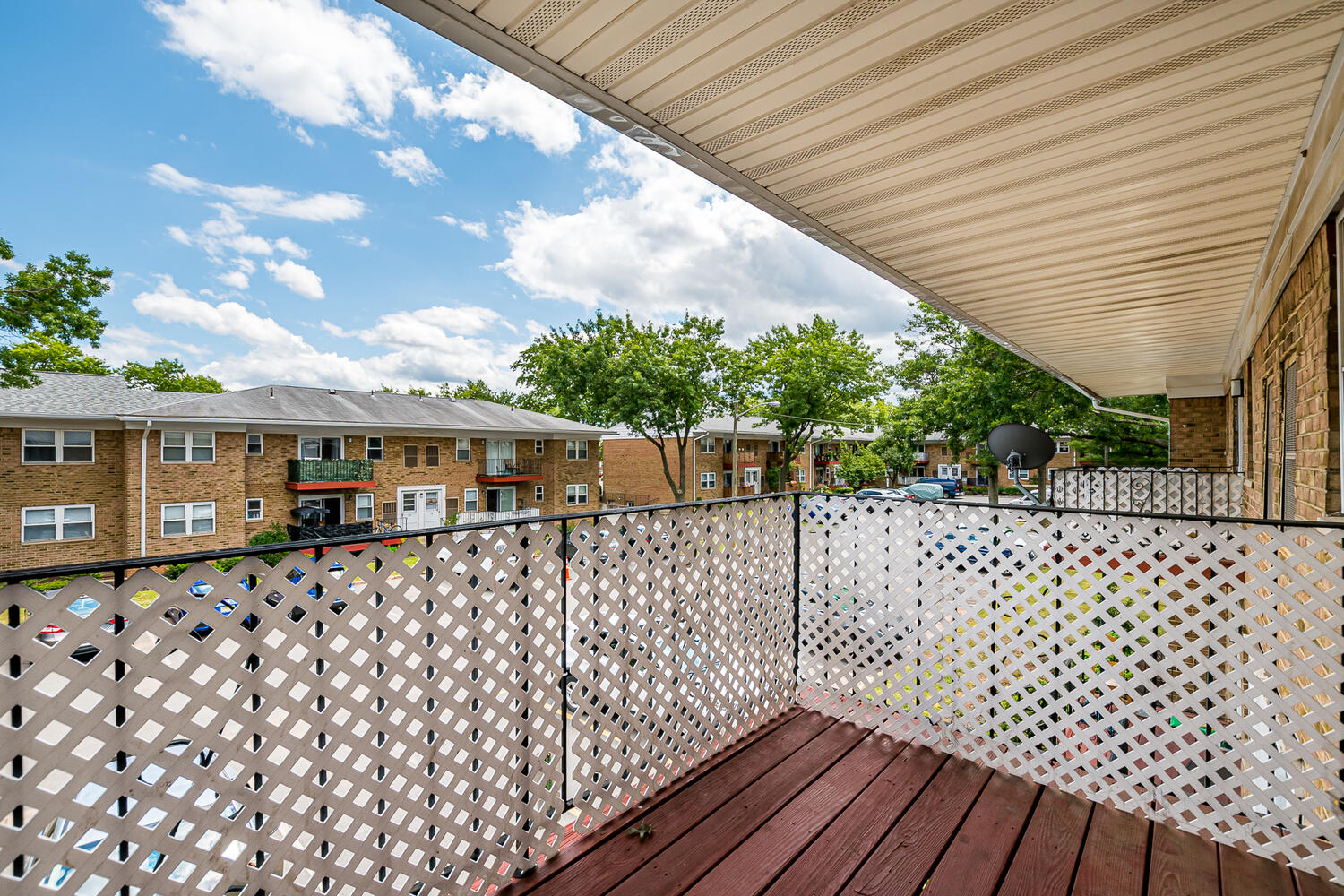
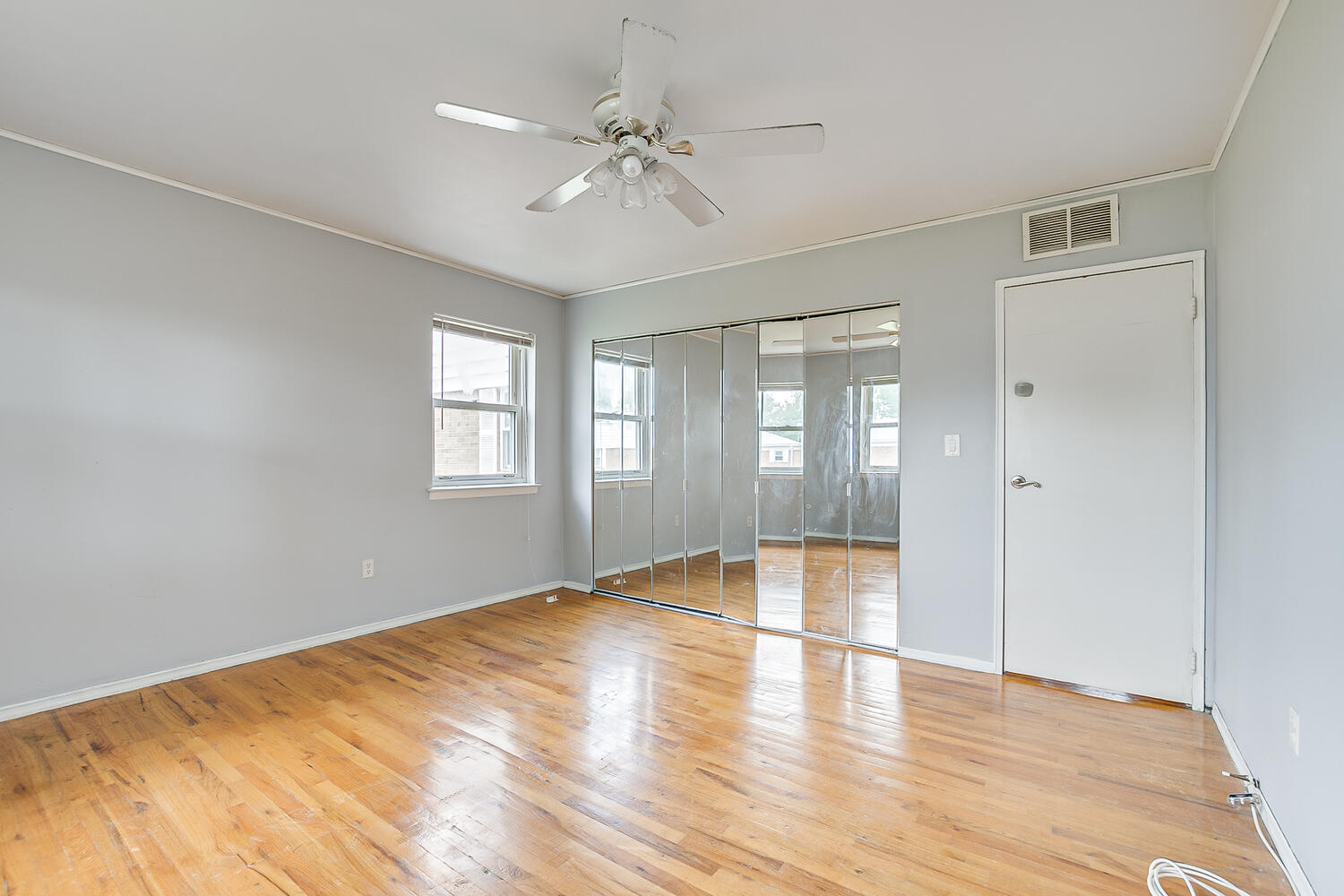
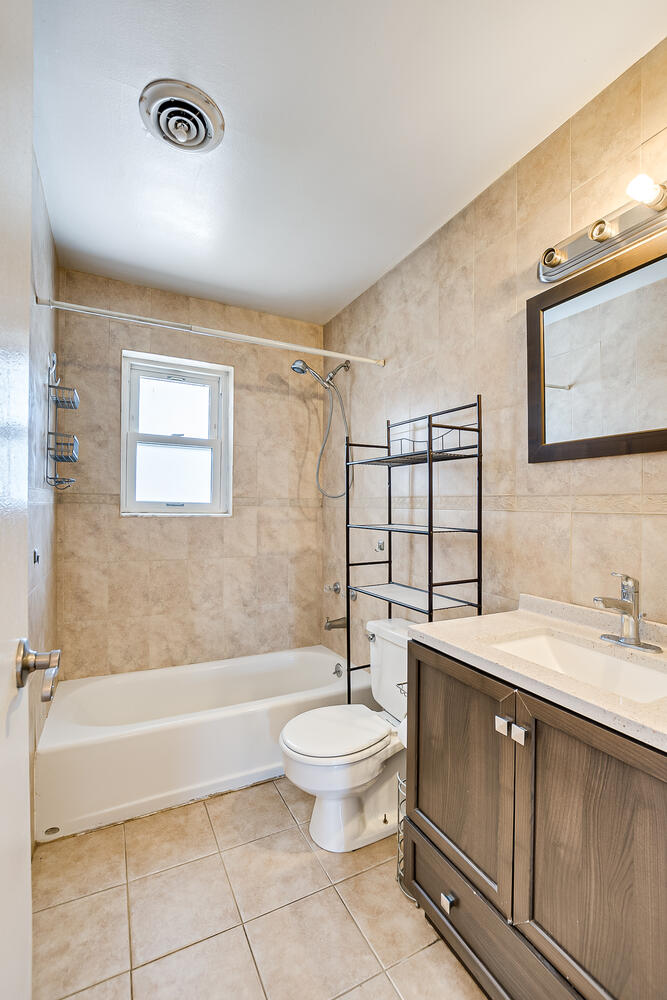
Mostly sought after 2 bedroom unit located on the second floor, with renovated kitchen and newer flooring, with beautiful hardwood flooring throughout the unit. Come and see all the GREAT things happening at MARGATE. Short commute into NYC from Metro park or Metuchen station. Owner must occupy unit. # #forsale #margate #newlisting #coop

Contact me for more details! Deb Kerr – C. 732.910.1682 E.debkerr@kw.com

Just Listed!

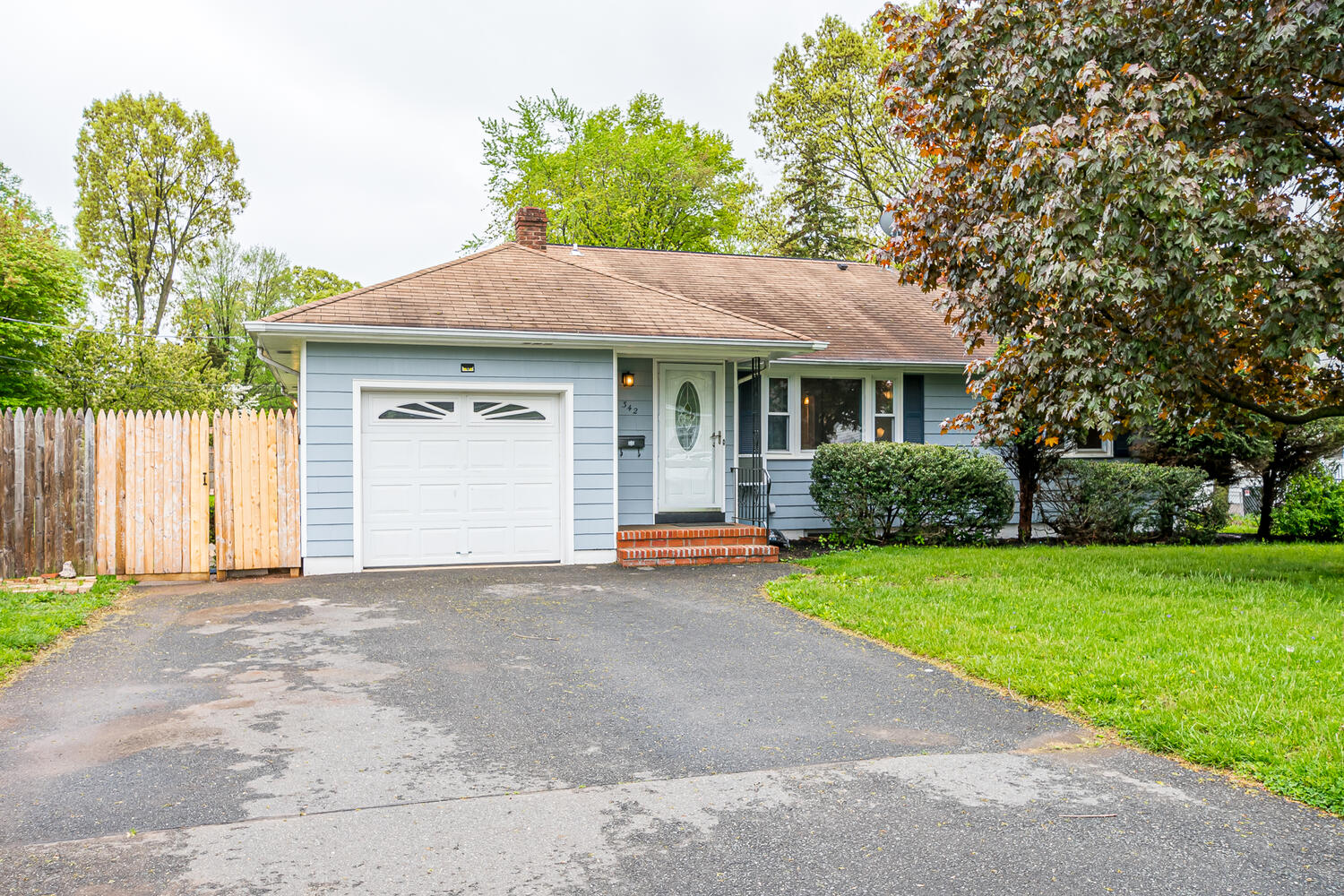
342 Rahway Ave. South Plainfield NJ 07080 $379,000

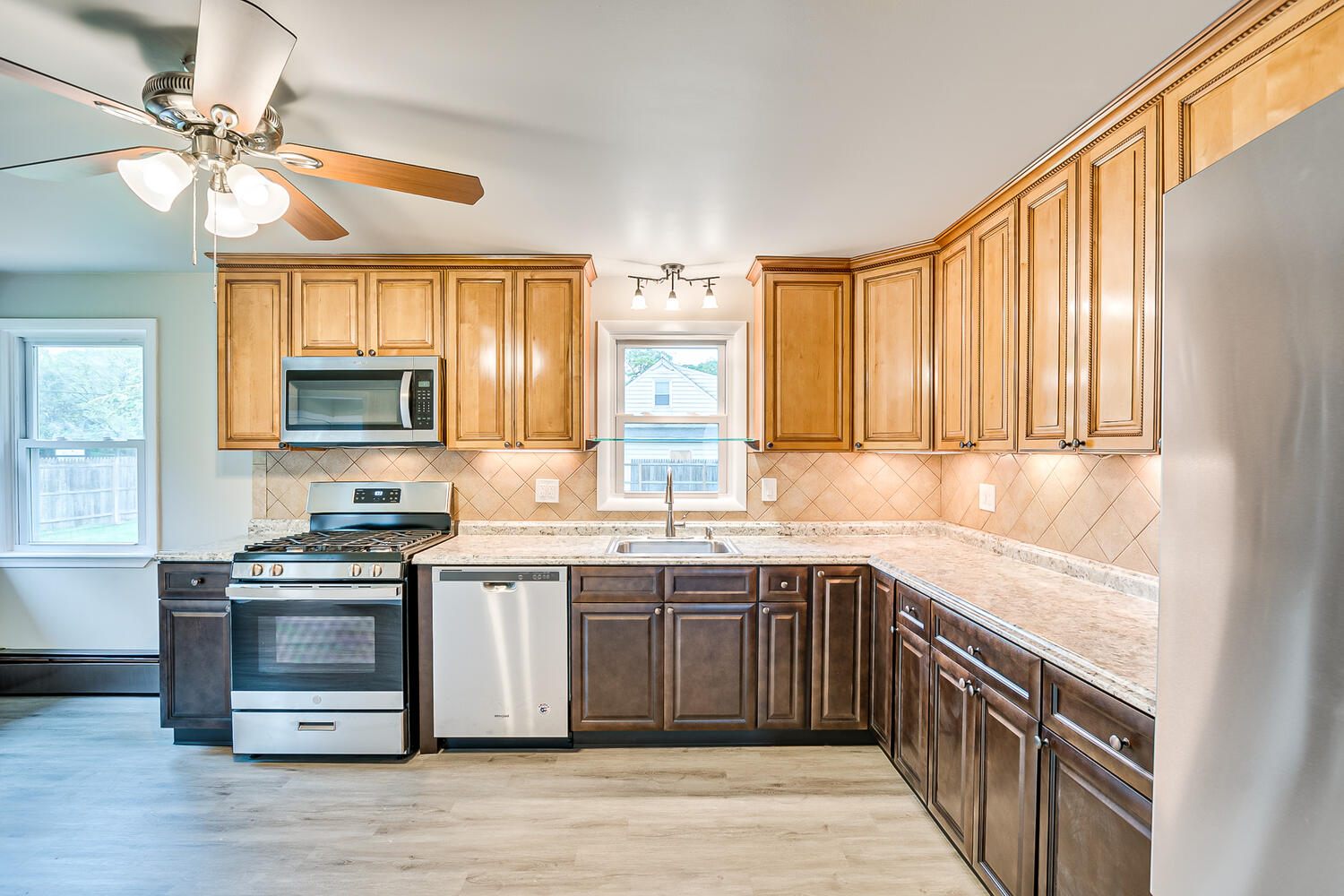
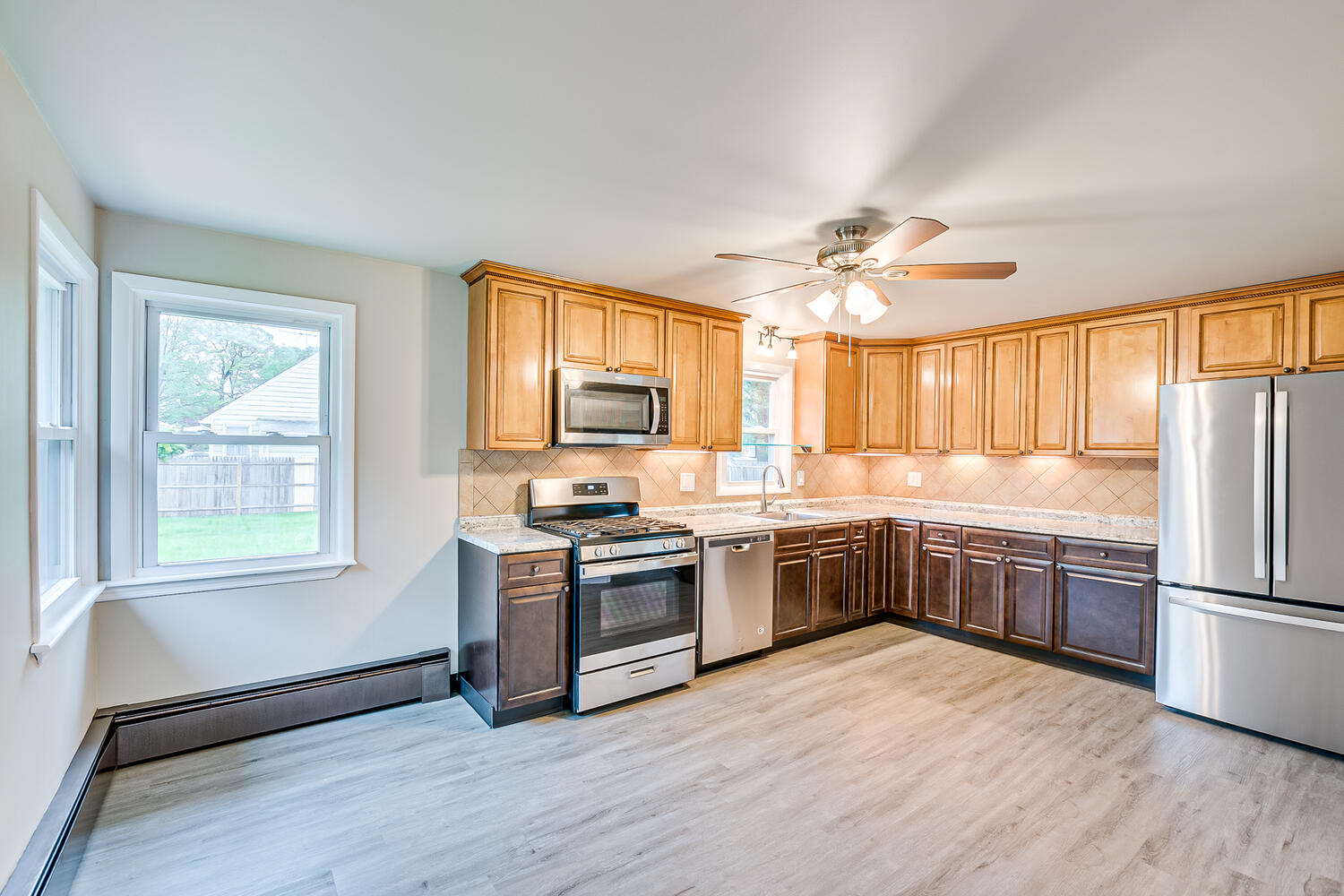
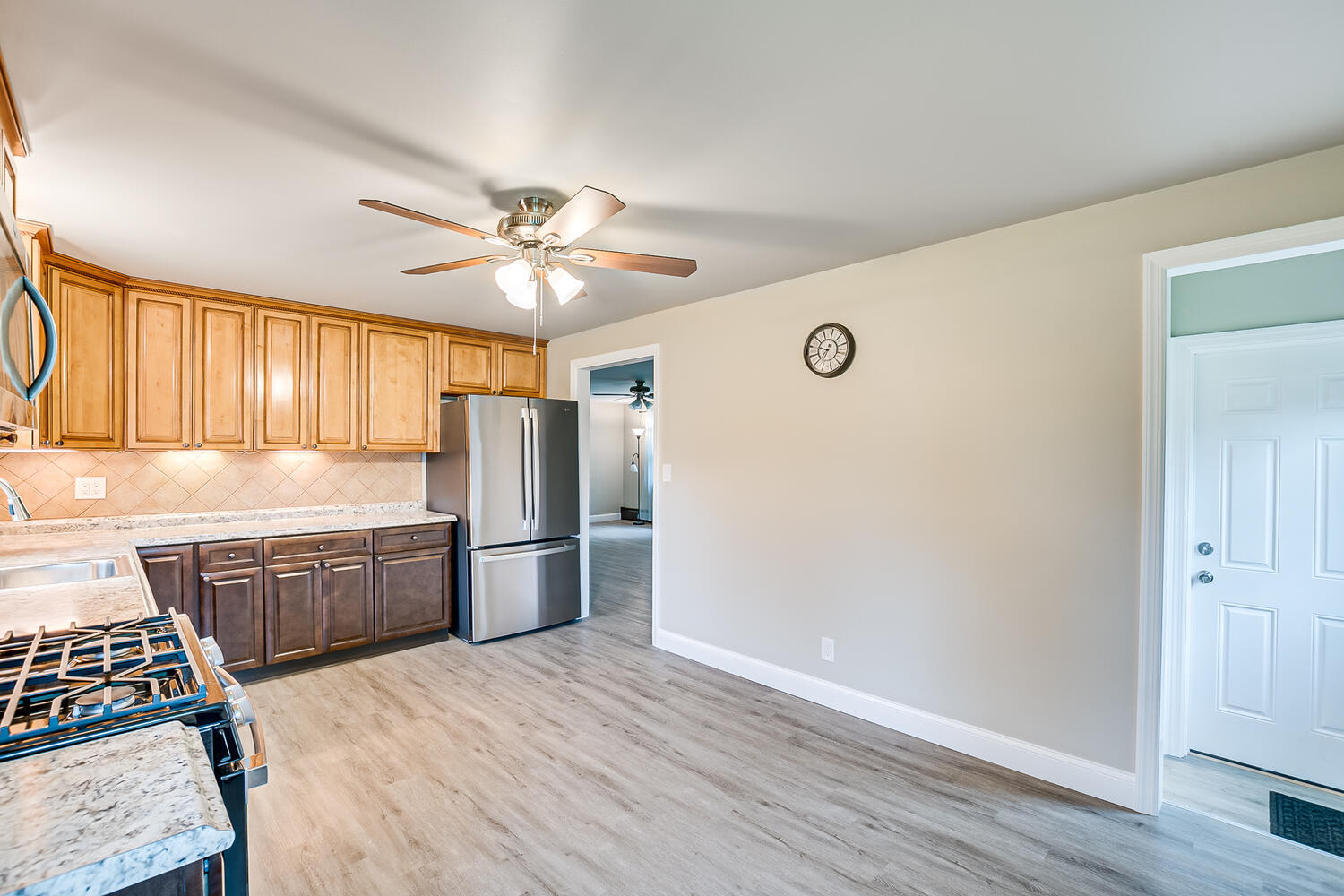
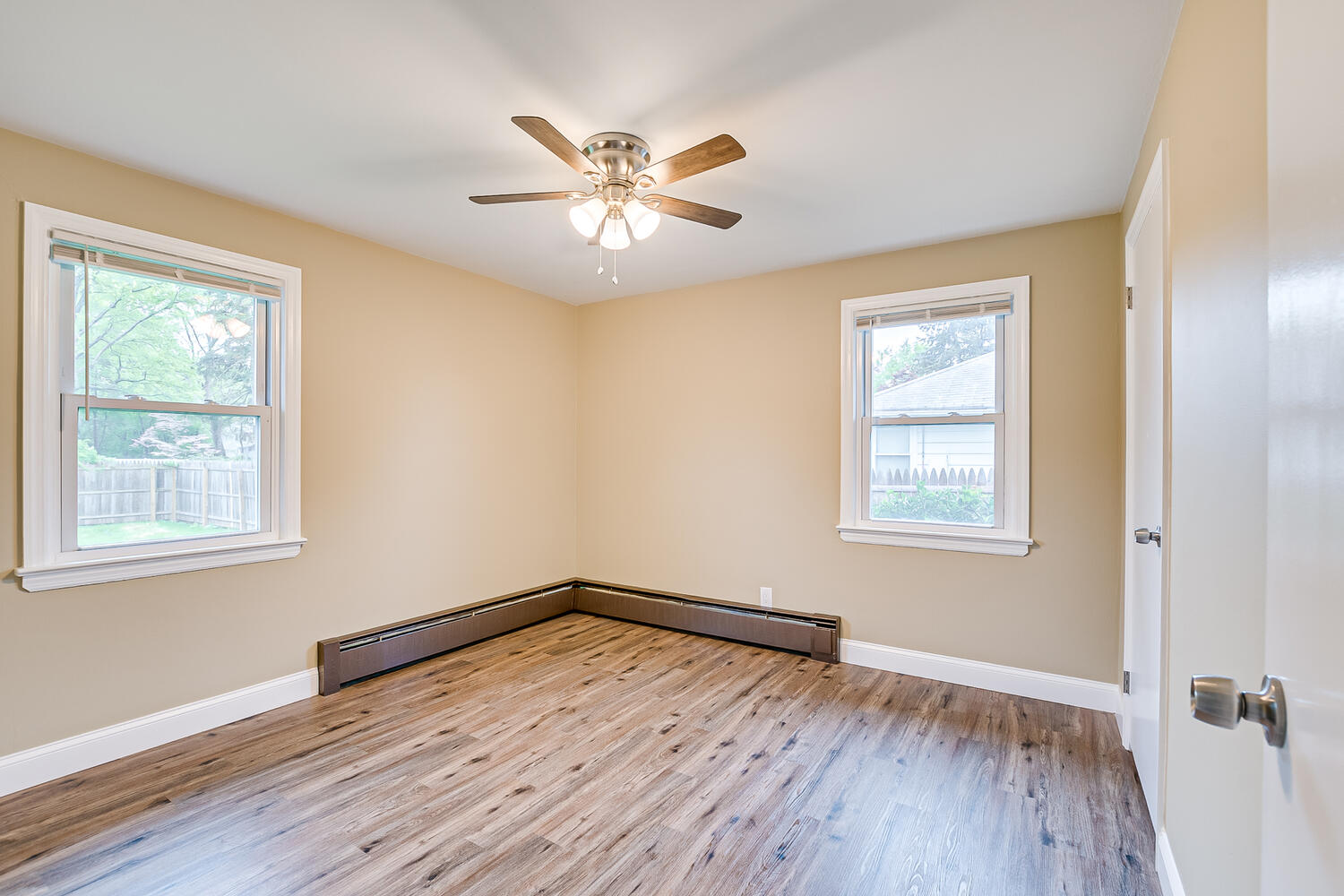
What a great opportunity! A fully renovated 3 bed, 1 bath ranch, with low taxes, in a spacious corner lot, with lots of fenced in backyard space. Eat in kitchen with brand new stainless steel appliances, and separate eating area. Property is located near Spring Lake Park & trails, close to shops and the Middle and High Schools. Easy access to 287. This property has solar panels.

https://pages.kw.com/deborah-kerr/231578/342Rahway.html

$2,700 – 71 Park Gate Dr. Edison NJ 08820

2 BED, 2.5 BATH

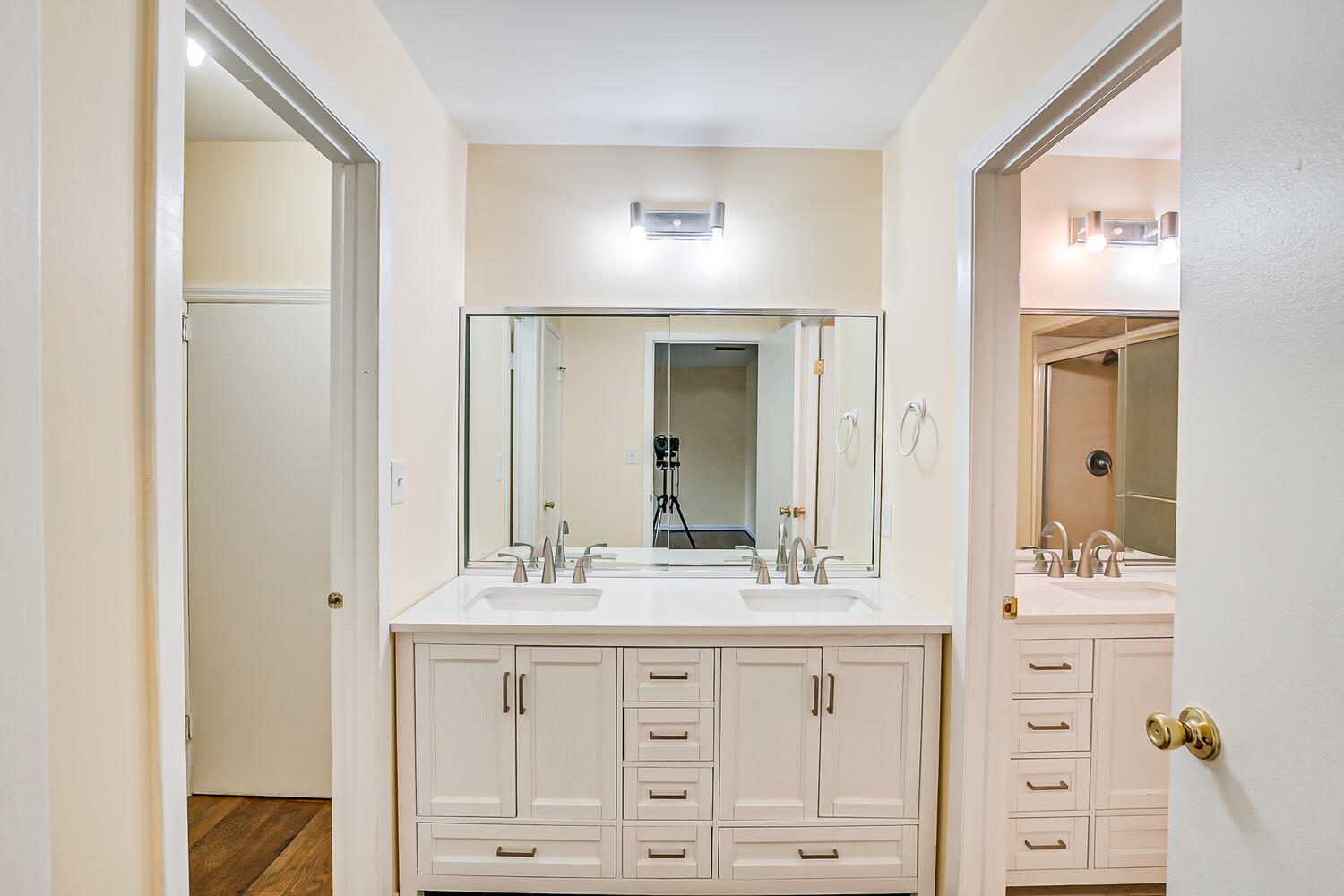
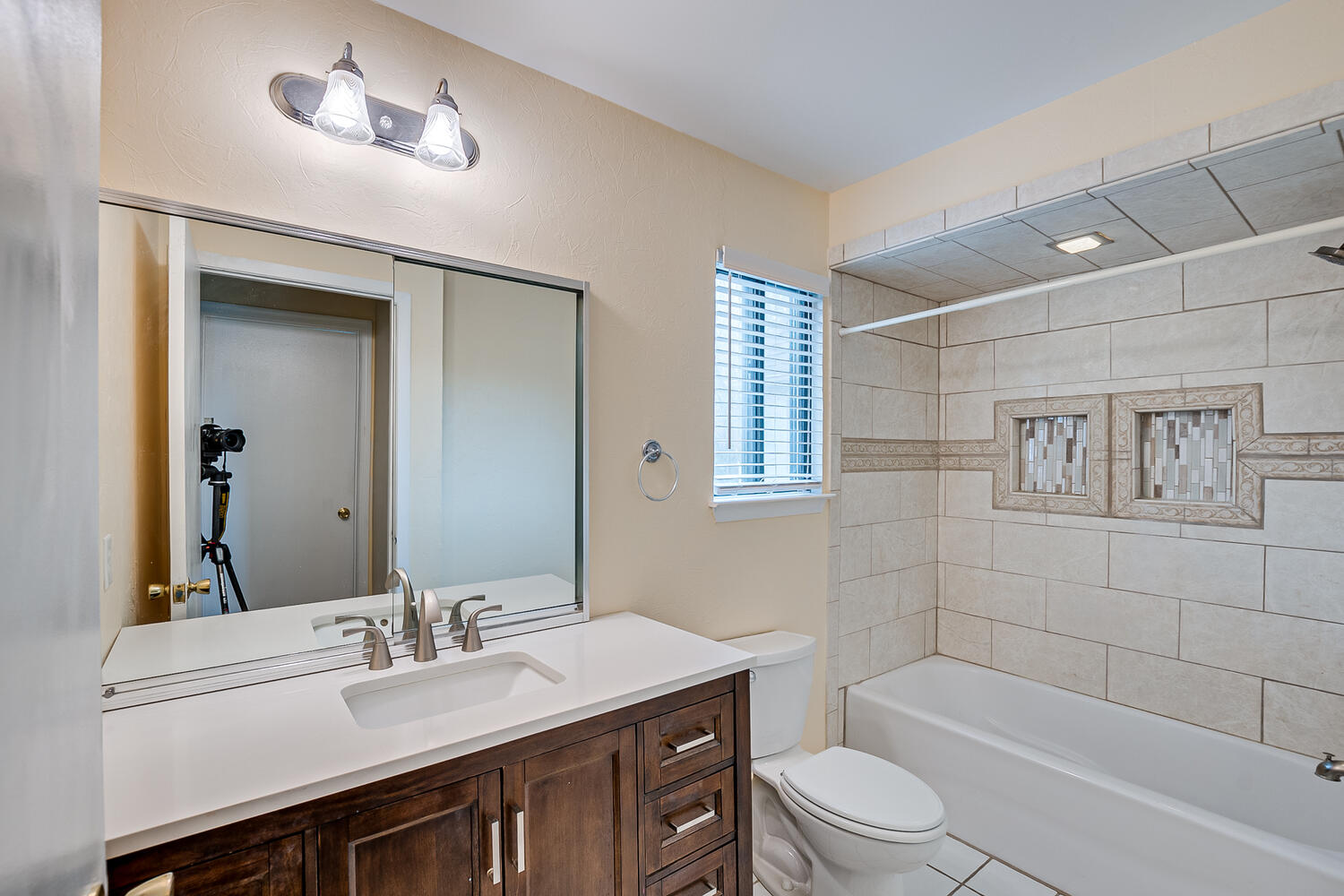
Desirable No. Edison privately gated community w/2bed, 2.5 bath, 2 car garage, hardwood floors. Main bedroom with full bath, double sinks, walk in closet and extra closet space. Second bedroom with ample closet space and bathroom. Newer kitchen w/granite counters and newer appliances. Swimming Pool, tennis courts & playground. Convenient to shopping & 3 major train stations (all NE corr. line). Bus to JP Stevens at entrance to development. A MUST SEE!!! https://pages.kw.com/deborah-kerr/231578/71ParkGate.htm

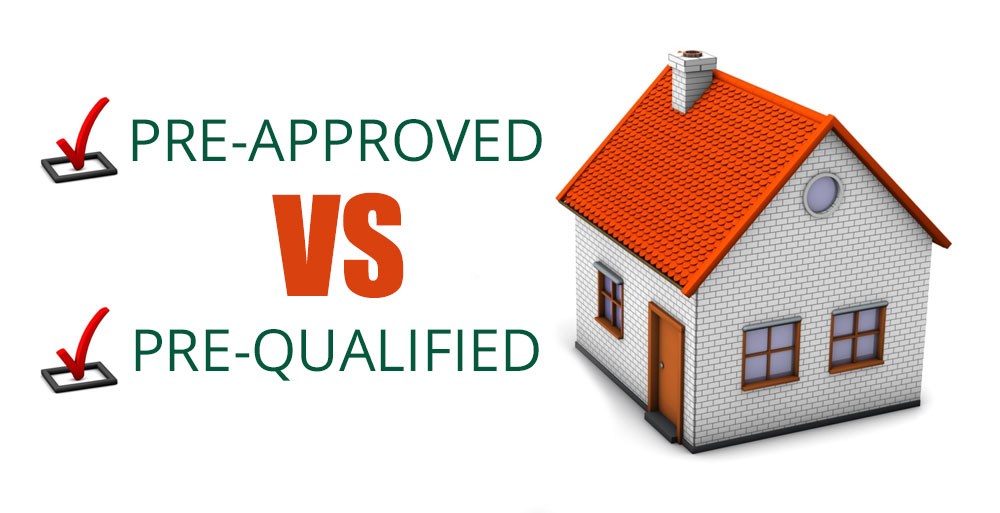
Pre-qualified vs. Pre-approved. What’s the difference?

Denied

Before jumping headfirst into the housing market, a prospective homebuyer will have a general idea of where they want to live, how they want to live and how much home they can afford. And when you start to shop around for a lender and look at mortgage options, you’ll begin to hear the terms pre-approval and pre-qualification. 

 They sound interchangeable, but they have different meanings when it comes to the home buying process. Here’s what you need to know about the differences between getting pre-qualified and getting pre-approved. 

What is pre-qualification?

A pre-qualification is a best guess of what you can most likely afford. Why is it just a guess? Because it’s based on what you verbally tell your lender about your income, and even if you are 100% truthful, it doesn’t show the full picture. 

 Think of a mortgage pre-qual as a nice ballpark number to have if you’re just casually shopping. Just don’t consider it as a guaranteed amount that you’ll eventually be approved for.

What is pre-approval?

A pre-approval is the real deal as it’s the result of a thorough examination of your credit history and actual financial documentation you provide. The mortgage pre-approval is an underwritten estimate of how much home you can afford and how much debt you can take on. 

Pre-approvals are way stronger than pre-qualifications. And once the lender has determined how much they’re willing to loan you, you’ll receive a pre-approval letter indicating the amount. Real estate agents and sellers both prefer working with pre-approved buyers because it shows that you’re committed to buying a home and that you have the backing to make good on any offer you put down (within the pre-approved amount). Not only does a pre-approval save you time, but it’s also a great bargaining chip when you’re buying in a competitive market.

Getting a mortgage pre-approval

Before speaking to a lender about getting pre-approved for a mortgage, you’ll want to start collecting some information. The lender will want proof of income, liquid assets and debts. Let’s look at each of these more closely:

  • Income. More than just your annual pay, income can also include (if you have documentation) freelance income, income from rental properties, alimony, child support, disability payments, retirement benefits and investment returns.
  • Liquid Assets. These are anything that can be turned into cash pretty quickly, like checking and savings accounts. Since you can cash out stocks, money market funds and other investments fairly quickly, they’re also considered liquid assets. 
  • Debts. Generally, this is how much you owe in recurring debt, like car payments and student loans. Fluctuating debt like credit card bills is not as important, but your lender will want to know how much credit is available to help determine how likely it is that you’ll go deeper into debt.

Start gathering these documents

Besides those big-picture details, your lender — or the underwriter — will ask you for supporting paperwork. Depending on your unique financial situation and your lender’s approach, you may have to provide additional documentation, but we think that the following list is a good jumping-off point for most prospective homebuyers.

  • Social security number (you don’t need to have the physical card on hand)
  • W-2 forms for proof of income for the past two years. If you are self-employed, consider documenting income history for the past three years. 
  • 1040 federal tax returns for the last two years
  • Recent pay stubs for the previous two months covering at 30 days YTD income
  • Government-issued identification, like a copy of driver’s license, US passport or Military ID
  • Proof of down payment or a “gift letter” if a family member is gifting you some money towards the down payment amount 
  • Bank statements showing checking, savings, money markets and other liquid assets like stocks, IRAs and mutual funds.
  • Credit history (You’ll have to sign a release form allowing your lender to pull your credit report)

Ready to get pre-approved?

While a pre-qualification may get you thinking about your options, a pre-approval will tell you just how much home you can afford. And you don’t have to choose one or the other: you can get pre-qualified as you start house hunting, and then get pre-approved as you get more serious and want to lock in an interest rate.

Contact: Alex Rivera  |  Market Leader – NMLS 41380
Mobile
 (908) 914-5500Fax (908) 698-0711

Office Address
1031 Route 22, Suite 203
Bridgewater, NJ 08807

www.movement.com/alexander.rivera

VA loans: What to know about funding fees and closing costs

By Mitch MitchelL – MORTGAGE SENSE

Coming up with a down payment for a new home is often the thing that keeps people from taking the leap from renter to homeowner in the first place. That’s why US veterans, active-duty service members, National Guard and reservists who may not have saved up enough for a down payment look to VA loans to help make homeownership a reality.

VA loans allow for 100% financing of a property, meaning no down payment is required for eligible applicants. And because a VA loan comes with a 25% lender guarantee, PMI (private mortgage insurance) is not required either. 

All of this saves you money over the life of your mortgage, but there are some out of pocket expenses that come with a VA loan, including typical mortgage closing costs and a VA funding fee.

VA funding fees

Many homeowners who have purchased a home through this program — backed by the US Department of Veterans Affairs — will tell you that the benefits of the VA loan program far outweigh the applicable (and unavoidable) funding fees that come with it. These fees were recently updated, so this is an excellent time to review what kind of fees you might need to consider.

Let’s say that you’re looking to buy a $200,000 house and you’re eligible to buy that home with a VA loan. VA loans require no down payment from the borrower, however, if you’re a first-time user of the VA-backed loan program and you are going the route of putting no money down, you will be charged a funding fee of 2.3% of the total loan amount, or $4,600. If you’re able to make a down payment of $10,000 (5% of the $200,000 loan), you’d pay a VA funding fee of 1.65% of the $190,000 you’d still need to borrow, which would equal $3,135. 

This chart will help you understand how much of a VA funding fee you’d take on depending on your circumstances. Remember, the funding fee applies only to the loan amount, not the home’s purchase price.

If this is your first use of the VA loan program: 
And your down payment is…Your VA funding fee will be…
Less than 5%2.30%
5% or more1.65%
10% or more1.40%
If you’re using the VA loan program a second (or third or fourth…) time:
And your down payment is…Your VA funding fee will be…
Less than 5%3.60%
5% or more1.65%
10% or more1.40%

Federal law requires VA loan funding fees, but, as with any rule, there are exceptions. While anyone purchasing a home through a VA loan is required to pay the funding fees, the following are exempt:

  • Homebuyers who receive VA disability payments for military service-related injuries
  • Homebuyers who would receive VA disability payments if they weren’t receiving retirement pay
  • Homebuyers entitled to receive compensation, but who are not presently in receipt because they on active duty
  • Homebuyers who are serving on active duty that provide evidence of having been awarded the purple heart
  • The surviving spouses of military personnel who died while in service, or of veterans who died due to service-related disabilities and who is receiving Dependency and Indemnity Compensation (DIC)

VA loan closing costs 

While closing costs are generally minimal with a VA loan, homebuyers may want to budget for these as well. Unlike funding fees, closing costs can not be rolled into the loan amount.

The following fees may apply to your VA loan application:

  • Charges to pull credit reports and credit scores
  • Costs to do a property title search 
  • Determination of whether the home requires flood insurance
  • Taxes and assessments based on federal, state and local laws

Additional fees the VA allows an applicant to pay

The VA regulates which fees VA loan applicants can be charged. These smaller expenses are often included in a lump-sum lender fee: typically about 1% of the total loan amount. Note that even though Movement Mortgage waives all lender fees for VA loans, we thought it would be helpful to list some of these expenses so you’ll be aware of what other lenders may cover with their lender fees:

  • VA loan application fees
  • Document preparation fees
  • Mortgage prep and/or assignment fees
  • Notary public fees
  • Postage

Fees the VA does not allow an applicant to pay

While some are common with conventional mortgages, the Department of Veterans Affairs does not let the following fees to be charged to a VA loan applicant:

  • Lender attorney fees
  • Real estate commissions
  • Broker fees or compensation
  • Transaction Coordinator (TC) expenses
  • Termite inspection fees (in most states)

Can sellers pay VA closing costs?

This is a great example of how VA loans can help homebuyers save money. Because buyers using the VA loan are restricted in what they can and cannot pay when it comes to closing costs and other fees, it is common for sellers to cover some of these costs. That’s right: often, the seller pays!

Sellers aren’t required to pay a borrower’s closing costs, but it’s commonly negotiated. Veterans Affairs allows property sellers to pay a percentage of the purchase price toward the buyer’s closing costs, often around 4%. But seller concessions can also go higher if they contribute to pre-paid fees, paying points, etc. Compare that to conventional mortgages, which can cap seller contributions toward closing costs at 3%.

Is a VA loan right for you?

If you’re a US veteran, active-duty service member, a reservist or a member of the National Guard and you’re looking to buy, refinance a VA loan or want to learn more about VA homeownership benefits, reach out to us today. 

Movement Mortgage can answer your questions about eligibility and help you make the right decision regarding a VA loan. Find a loan officer in your area to get started or apply online